
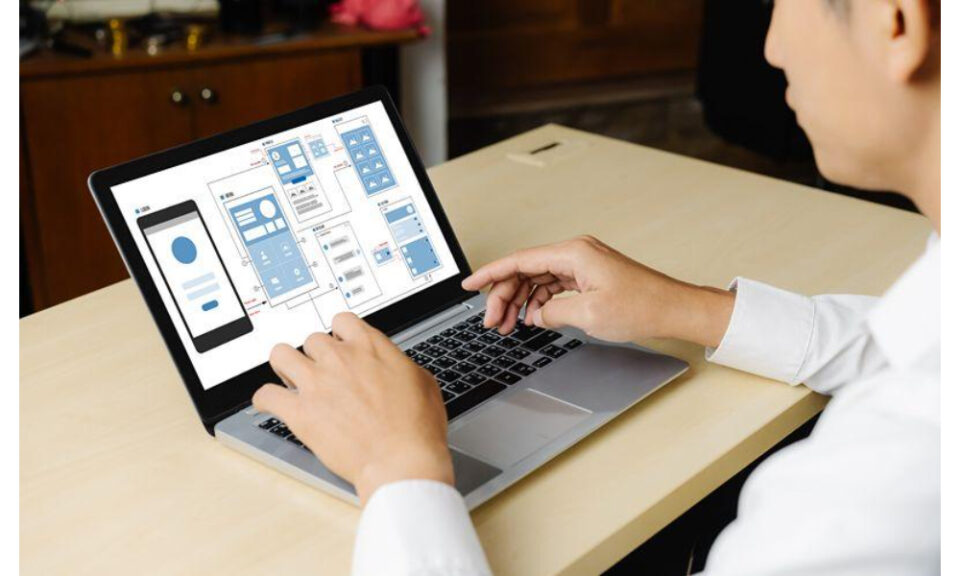
Design inspiration should do more than look impressive on a screen. For teams investing in mobile app design services, inspiration needs to translate into clarity, speed, and confident user actions. Scroll-heavy galleries and trend showcases rarely explain why something works, let alone how it improves conversions. The real value sits elsewhere, in places where design decisions meet behaviour, context, and measurable outcomes.
Let’s dive into where to find mobile web app design inspiration that performs, not just decorates. The goal remains simple: helping users move, decide, and complete tasks without friction.
Start With High-Performing Mobile Websites, Not Design Galleries
Curated design galleries offer visual variety, yet they rarely provide context. Screenshots appear isolated from business goals, user intent, or conversion paths. Practical inspiration comes from analysing mobile websites that already perform well in competitive markets.
Look at mobile-first platforms that rely on speed and clarity to convert. Pay attention to layout hierarchy, spacing, tap targets, and how content unfolds across screens. Observe how calls to action remain visible without dominating the interface. Notice how navigation simplifies once users scroll past the first viewport.
This approach reframes inspiration as analysis rather than imitation. Strong mobile web app design inspiration often reveals itself through restraint, not excess.
Learn From User Journeys, Not Just Landing Pages
Single screens rarely tell the full story. Conversions happen across flows, not moments. Studying complete user journeys provides insight into how design choices guide attention and reduce hesitation.
Examine onboarding sequences, checkout steps, and form interactions on mobile web apps. Look for patterns in how information appears only when needed. Notice how error states communicate clearly without interrupting progress. Small details, such as inline validation or progress indicators, often influence completion rates more than bold visuals.
Design teams offering mobile app design services increasingly prioritise journey mapping because it reveals where inspiration should focus: on continuity, reassurance, and momentum.
Review Case Studies From Conversion-Focused Design Teams
Case studies remain one of the most reliable sources of practical inspiration. Unlike surface-level showcases, well-written case studies explain constraints, decisions, and outcomes.
Focus on case studies that discuss metrics, testing, and iteration. Look for explanations around reduced bounce rates, improved task completion, or higher engagement on mobile. These narratives demonstrate how design responds to real problems rather than aesthetic preferences.
A seasoned design agency in Singapore often frames inspiration through results. The emphasis stays on what changed, why it mattered, and how users responded.
Study Real User Feedback and Behavioural Data
Inspiration grounded in behaviour outperforms inspiration driven by trends. Reviews, usability reports, and session recordings reveal how users interact with mobile web interfaces under real conditions.
Look for recurring feedback around confusion, speed, or trust. Heatmaps and scroll data show where attention lingers and where it drops. These insights often inspire adjustments to layout, copy placement, or interaction patterns that directly affect conversions.
Mobile web app design inspiration becomes practical when it reflects how people actually behave, not how designers assume they will behave.
Observe How Content and Design Work Together
Conversions rarely depend on design alone. Content structure plays an equally critical role. Study mobile web apps where headlines, microcopy, and buttons work in harmony with layout.
Notice how short sentences guide scanning behaviour. Observe how reassurance appears near actions that require commitment. Look at how visual cues support comprehension rather than distract from it.
Teams delivering mobile app design services increasingly collaborate with content strategists for this reason. Effective inspiration emerges at the intersection of words and visuals, not in isolation.
Test, Adapt, and Build Your Own Inspiration Library
The most valuable inspiration often comes from internal experimentation. Testing layouts, interactions, and content variations builds a library grounded in evidence rather than opinion.
Track what improves completion rates or reduces drop-offs. Document patterns that consistently perform well across projects. Over time, this internal reference becomes more useful than any external gallery.
A forward-thinking design agency in Singapore treats inspiration as a living resource, shaped by continuous learning and adaptation.
Why Practical Inspiration Outperforms Trend-Led Design
Trends move quickly. User expectations move differently. Practical inspiration respects device constraints, context, and intent. It prioritises clarity over novelty and consistency over spectacle.
Design decisions guided by performance data remain relevant longer. They scale better across industries and adapt more easily as user behaviour evolves. For businesses focused on results, this approach delivers lasting value.
Final Thoughts
Finding the right mobile web app design inspiration requires discipline. It means filtering out noise and focusing on what genuinely improves user experience and conversions. Screens may change, but the principles remain stable: clarity, relevance, and ease of action.
If you are looking to turn insight into execution and want guidance from a trusted design agency in Singapore, now is the time to act. Contact Right On Media today and start building mobile web experiences that convert with purpose, precision, and measurable impact.
